
How website speed affects customer trust is a critical factor for any business operating in a digital-first environment. Today’s users expect websites to load quickly, respond smoothly, and deliver information without delay. When a website is slow, visitors often feel frustrated and may lose confidence in the brand—regardless of how good the design or content looks.
Website speed is not just a technical issue; it is a psychological trust signal. It directly influences how users perceive your business, how long they stay on your website, and whether they choose to contact you or leave. This blog explains how website speed affects customer trust and why optimizing performance is essential for long-term business success.
What Is Website Speed?
Website speed refers to how quickly a webpage loads and becomes fully usable for visitors. It includes factors such as page load time, responsiveness, interactivity, and visual stability.
A fast-loading website allows users to access content instantly, while a slow website creates friction. When users experience delays, they often associate that poor performance with the business itself, negatively affecting trust.
7 Ways How Website Speed Affects Customer Trust
1. First Impressions Are Built on Speed
Users form opinions about a website within just a few seconds. If a page takes too long to load, visitors may assume the business is unreliable, outdated, or unprofessional.
A fast website creates a strong first impression and immediately builds credibility. This is one of the key ways how website speed affects customer trust from the very first interaction.
2. Website Speed Builds or Breaks Trust
Customers often link website performance with overall business quality. A slow website can raise concerns about:
- Business reliability
- Data security
- Service quality
On the other hand, a fast and responsive website signals that the business is modern, trustworthy, and focused on customer experience.
3. Faster Websites Improve User Experience
Website speed plays a major role in user experience. Faster load times result in:
- Lower bounce rates
- Longer session durations
- Higher engagement
When users can navigate your site smoothly, they feel comfortable and confident. Positive user experience is a strong foundation for building trust.
4. Mobile Users Expect Instant Access
Most website visitors today use mobile devices. Mobile users are even less patient with slow-loading pages.
Optimized website speed ensures:
- Smooth mobile browsing
- Faster touch interactions
- Better accessibility on all devices
A slow mobile experience often leads to lost customers and reduced trust in your brand.
5. Website Speed and Conversion Rates
How website speed affects customer trust is clearly visible in conversion rates. Fast-loading pages encourage users to take action, such as:
- Filling out contact forms
- Requesting quotes
- Making online purchases
Even a small delay in loading time can significantly reduce conversions and business opportunities.
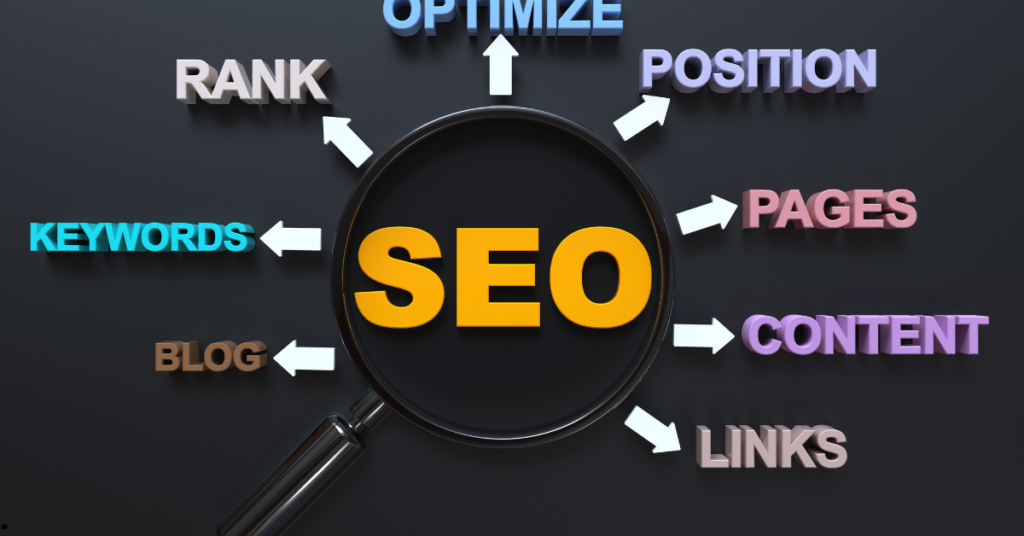
6. Website Speed and SEO Performance
Search engines consider website speed an important ranking factor. Faster websites are more likely to rank higher in search results.
Speed optimization helps to:
- Improve search visibility
- Increase organic traffic
- Strengthen overall SEO performance
When users find your site easily and experience fast performance, their trust in your brand increases naturally.
7. Page Speed and Brand Reputation
Users remember slow websites. A poor experience can discourage repeat visits and damage long-term brand reputation.
Fast websites, however, encourage users to return, engage again, and even recommend your business to others—helping build long-term trust and loyalty.
Common Causes of Slow Website Speed
Some of the most common reasons for slow websites include:
- Large, unoptimized images
- Too many plugins or scripts
- Poor hosting quality
- Outdated website code
- Lack of caching
Identifying and fixing these issues is the first step toward improving performance.
How to Improve Website Speed
To improve website speed and customer trust, businesses should:
- Optimize images and media files
- Use reliable and fast hosting
- Enable caching
- Remove unnecessary plugins
- Keep themes and software updated
- Monitor performance using speed testing tools
Consistent optimization ensures long-term improvements and better user experiences.
Website Speed and Customer Loyalty
When users trust your website, they are more likely to return. Website speed contributes to:
- Higher customer satisfaction
- Stronger brand loyalty
- Improved customer retention
Reliable and fast digital experiences help turn first-time visitors into long-term customers.
Conclusion
How website speed affects customer trust cannot be ignored. A fast website creates positive first impressions, improves user experience, supports SEO, and strengthens brand credibility.
By investing in website speed optimization, businesses can build trust, increase engagement, and achieve better online results over time.